The Ultimate Guide to Dive Weights
How to achieve perfect buoyancy for safer, more comfortable diving
Phil Rieger
2025-07-15
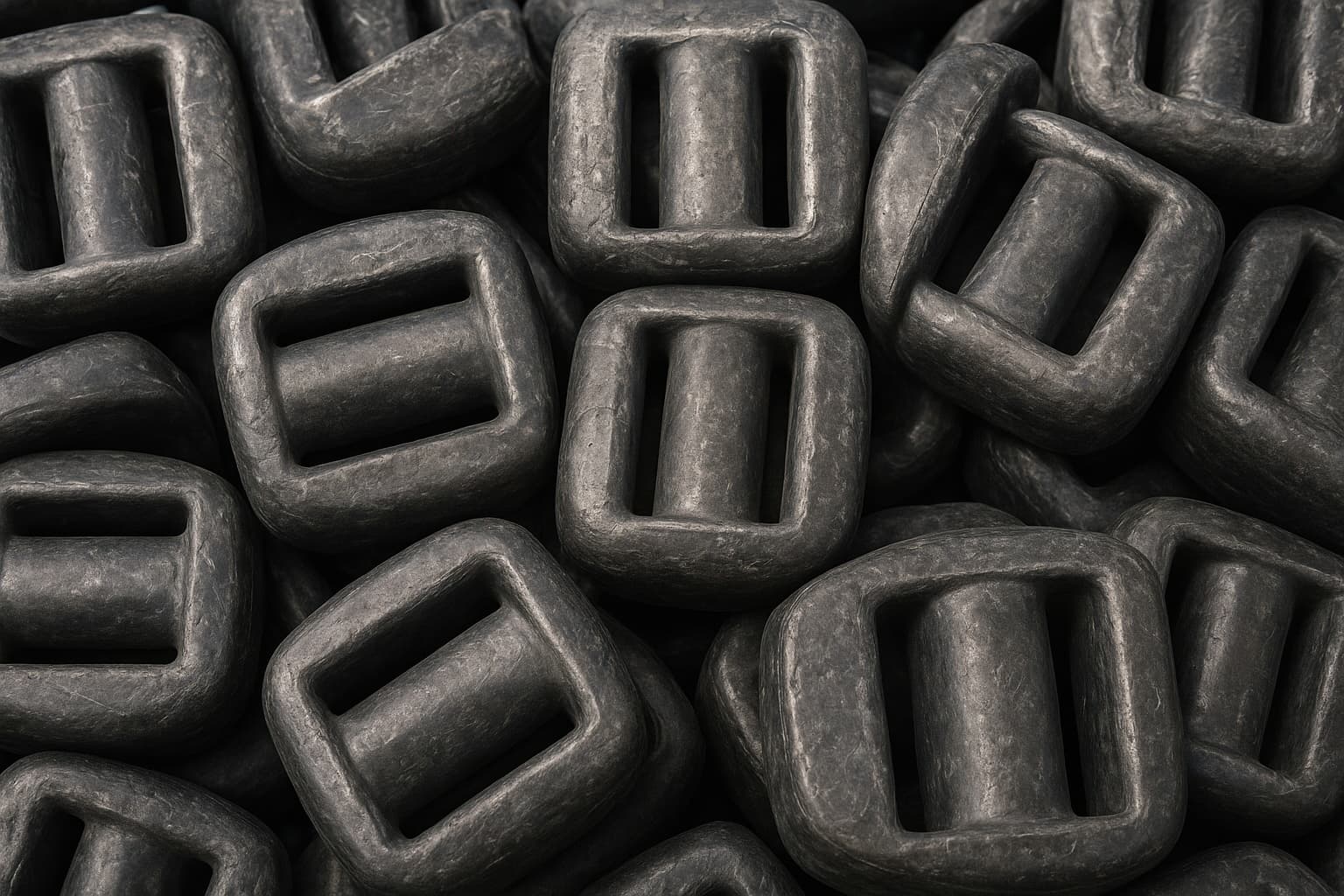
Understanding Dive Weights and Buoyancy
Let's be honest – nothing ruins a dive faster than floating to the surface like a runaway balloon or struggling against too much weight. Proper weighting isn't just about comfort; it's fundamental to both safety and conservation. Too little weight means constant fighting to stay down, wasted air, and potential uncontrolled ascents. Too much weight means burning through your air supply, dragging along the bottom, and potentially damaging fragile marine environments. This guide breaks down the science and art of getting your weights just right for every dive situation.
Exposure Suit Considerations
Your exposure protection is the biggest variable in how much weight you'll need. It's not just the material that matters, but thickness, fit, and even age of the suit:
- Wetsuits: Neoprene is inherently buoyant – a new 3mm wetsuit adds about 4-6 pounds of buoyancy, while a 5mm adds 7-10 pounds, and a 7mm can add 12-16 pounds. That's a massive difference! Plus, as your wetsuit ages and compresses, it becomes less buoyant, meaning you'll need to reduce your weights over time.
- Drysuits: These are the real wild cards. The buoyancy comes from both the suit material and the air trapped inside. A compressed neoprene drysuit might add 10-15 pounds of buoyancy, while a membrane or trilaminate suit adds less from the material but more from the undergarments you're wearing underneath. Add heavy thermal undergarments, and you might need 15-20+ pounds of lead.
- Rashguards/Skins: These add minimal buoyancy, usually less than a pound, making tropical diving significantly easier to weight properly.
- Hood & Gloves: Don't overlook these! A 5mm hood can add 1-2 pounds of buoyancy, with gloves adding another pound or so. In cold water diving, these additions really add up.
Body Composition and Physical Factors
Your own body plays a huge role in weighting. Here's what to know about how your personal characteristics affect buoyancy:
- Body Composition: Fat tissue is naturally more buoyant than muscle or bone. Two divers of identical weight but different body compositions might need significantly different amounts of lead. Someone with higher body fat percentage might need 2-4 pounds more weight than a lean, muscular diver of the same weight.
- Lung Volume: Larger lung capacity means more potential buoyancy. Taller divers with greater lung volumes often need more weight than shorter divers of similar build.
- Experience Level: Beginners typically need more weight because they tend to hold more air in their lungs and haven't mastered breathing control. As you gain experience, you'll likely find you can dive with less weight.
- Breathing Patterns: Shallow breathers can often dive with less weight than those who take deeper breaths. Learning proper breath control is a key skill that can actually reduce your weight requirements.
Equipment Variables
Beyond your suit and body, your gear setup makes a huge difference in weighting needs:
- Tank Material: Aluminum tanks become more buoyant as you use gas, sometimes becoming 4-5 pounds positively buoyant when empty. Steel tanks, on the other hand, remain negative even when empty. This difference is critical – if you're properly weighted at the start of a dive with an aluminum tank, you'll be underweighted by the end!
- BCD Type: Some BCDs, particularly back-inflation models, have more inherent buoyancy than others. Wing-style BCDs typically have less built-in buoyancy than jacket styles.
- Accessories: Cameras, lights, and other accessories can significantly affect your buoyancy. A professional underwater camera rig might counteract 5+ pounds of lead!
- Salinity: Saltwater is more buoyant than freshwater – you'll need approximately 4-6 pounds more weight in saltwater than in fresh for the same gear configuration. Many newer divers get confused when switching between environments.
Conducting a Proper Weight Check
There's no substitute for a proper weight check, and divers debate the best methods. The classic surface check involves wearing all your gear with a full tank, deflating your BCD completely, and holding a normal breath – you should float at eye level. Then upon exhaling completely, you should start to sink slowly. If you drop like a stone, you're overweighted; if you still float with empty lungs, you need more weight.
Many experienced divers prefer the end-of-dive method, which most accurately mimics real diving conditions. With approximately 500 PSI/30 bar left in your tank, find a depth of about 10 feet (3 meters), empty all air from your BCD and drysuit (if wearing one), and adjust your breathing to normal. At this point, you should be neutrally buoyant – neither sinking nor floating. This approach accounts for the weight of gas you'll use during a typical dive and ensures you're not overweighted when your tank becomes lighter. When performed at the safety stop, it also confirms you have enough weight to maintain that critical 15-foot depth during your safety stop with a near-empty tank.
Whatever method you choose, a progressive approach works best for finding your perfect weight. Start slightly conservative (a bit more weight than you might need) and gradually reduce during successive dives until you find your sweet spot. It's always better to be slightly overweighted than dangerously underweighted, especially for newer divers. And remember to recalculate when changing environments – the weights that worked perfectly in tropical saltwater will be excessive in a freshwater quarry, while your lightweight shorty setup won't cut it when you switch to a thick wetsuit or drysuit.
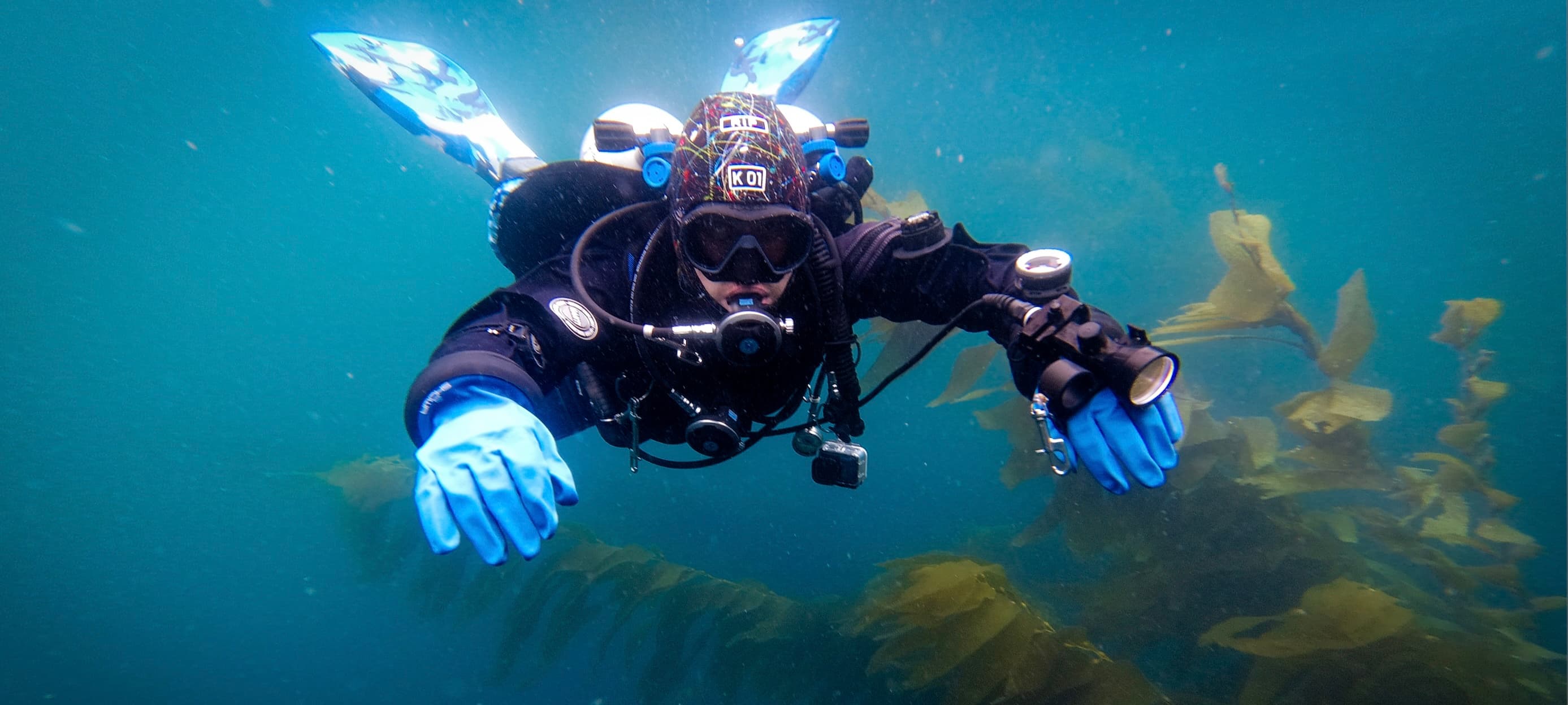
Weight Distribution Matters
It's not just about how much weight you carry, but where you put it. Proper distribution can dramatically improve comfort and trim in the water. Weight belts place weight at your center of gravity, which works well for many divers, while integrated weight systems distribute weight more evenly but may affect your swimming position differently. When fine-tuning your setup, consider adding small trim weights in strategic locations – ankle weights (1-2 pounds) or tank trim weights can help correct positioning issues, particularly if you find your legs constantly floating up.
Symmetrical weight distribution is crucial for preventing the annoying tendency to roll to one side while diving. Always place weights evenly, especially when using integrated pocket systems. Some technical divers take this to the next level, strategically placing small weights in specific locations throughout their gear configuration – sometimes just a few ounces in exactly the right spot can make a significant difference in maintaining that perfect horizontal trim that experienced divers make look so effortless. The best distribution pattern varies based on your body type, exposure protection, and personal preference – it's worth experimenting once you've nailed down your total weight requirements.
Common Weighting Guidelines
While there's no one-size-fits-all formula, here are some starting points based on common configurations:
- Tropical Diving (rashguard/skin, aluminum tank): Typically about 8-10% of your body weight
- Warm Water (3mm wetsuit, aluminum tank): Approximately 10-12% of body weight
- Temperate Water (5mm wetsuit, aluminum tank): About 12-15% of body weight
- Cold Water (7mm wetsuit, aluminum tank): Around 15-18% of body weight
- Drysuit Diving (with undergarments, aluminum tank): Often 18-20%+ of body weight
- Steel Tanks: Reduce the above estimates by 4-6 pounds when using steel tanks
- Women vs. Men: Women often need about 2-4 pounds more weight than men of similar size and build due to differences in average body composition
Remember, these are just starting points. Your perfect weighting will depend on all the factors discussed above and will likely change throughout your diving career as your gear, body, and skills evolve.
Calculate Your Weight with Diveline.io
To make this whole process easier, we've created a comprehensive weight calculator on diveline.io that takes all these variables into account. Our calculator considers:
- Personal Stats: Your height, weight, and experience level
- Exposure Protection: Type and thickness of your suit, plus accessories
- Equipment Configuration: Tank materials, BCD style, and accessories
- Environment: Water type (salt vs. fresh) and depth
The diveline.io weight calculator gives you a personalized starting point based on these factors. While it's not a replacement for proper in-water weight checks, it provides an evidence-based estimate to get you in the right ballpark, especially when diving in new environments or with different gear configurations.